Introduction & Background
Travel has long been celebrated as a gateway to discovery, but the most memorable adventures often lie beyond the well-trodden paths of crowded tourist hotspots. While iconic destinations like Paris, Tokyo, or New York offer undeniable charm, they also come with overcrowding and inflated prices. For those seeking authentic experiences and untouched beauty, offbeat destinations hold the promise of something truly special. These hidden gems provide travelers with the chance to connect deeply with local cultures, witness breathtaking landscapes without the crowds, and create memories that last a lifetime. The concept of exploring lesser-known places is not just about avoiding tourists. It is about uncovering the soul of a region, understanding its history, and supporting communities that thrive on sustainable tourism. In an age where travel has become more accessible than ever, turning toward offbeat destinations is a meaningful way to redefine what it means to explore the world.
Concept & Overview
Offbeat destinations refer to places that remain outside the mainstream travel radar, often overlooked by guidebooks and social media trends. These locations may include remote villages, quiet coastal stretches, ancient ruins rarely visited, or culturally rich towns where traditions thrive away from commercialization. The core principle behind choosing such destinations is intentional exploration. It involves stepping away from the familiar and embracing curiosity about the unknown. Unlike mass tourism, which often prioritizes convenience and speed, offbeat travel encourages slower, more immersive experiences. It values personal connections, local knowledge, and environmental respect. While popular destinations offer convenience and infrastructure, offbeat locations provide depth and uniqueness. They challenge travelers to adapt, learn, and engage more deeply with their surroundings. This approach not only enriches the traveler but also contributes positively to the preservation of local heritage and ecosystems.
Key Features & Highlights
- Authentic Local Culture. Offbeat destinations offer immersive experiences where traditions, festivals, and daily life remain largely unaffected by tourism. Travelers can participate in local ceremonies, crafts, or culinary traditions that have been preserved for generations.
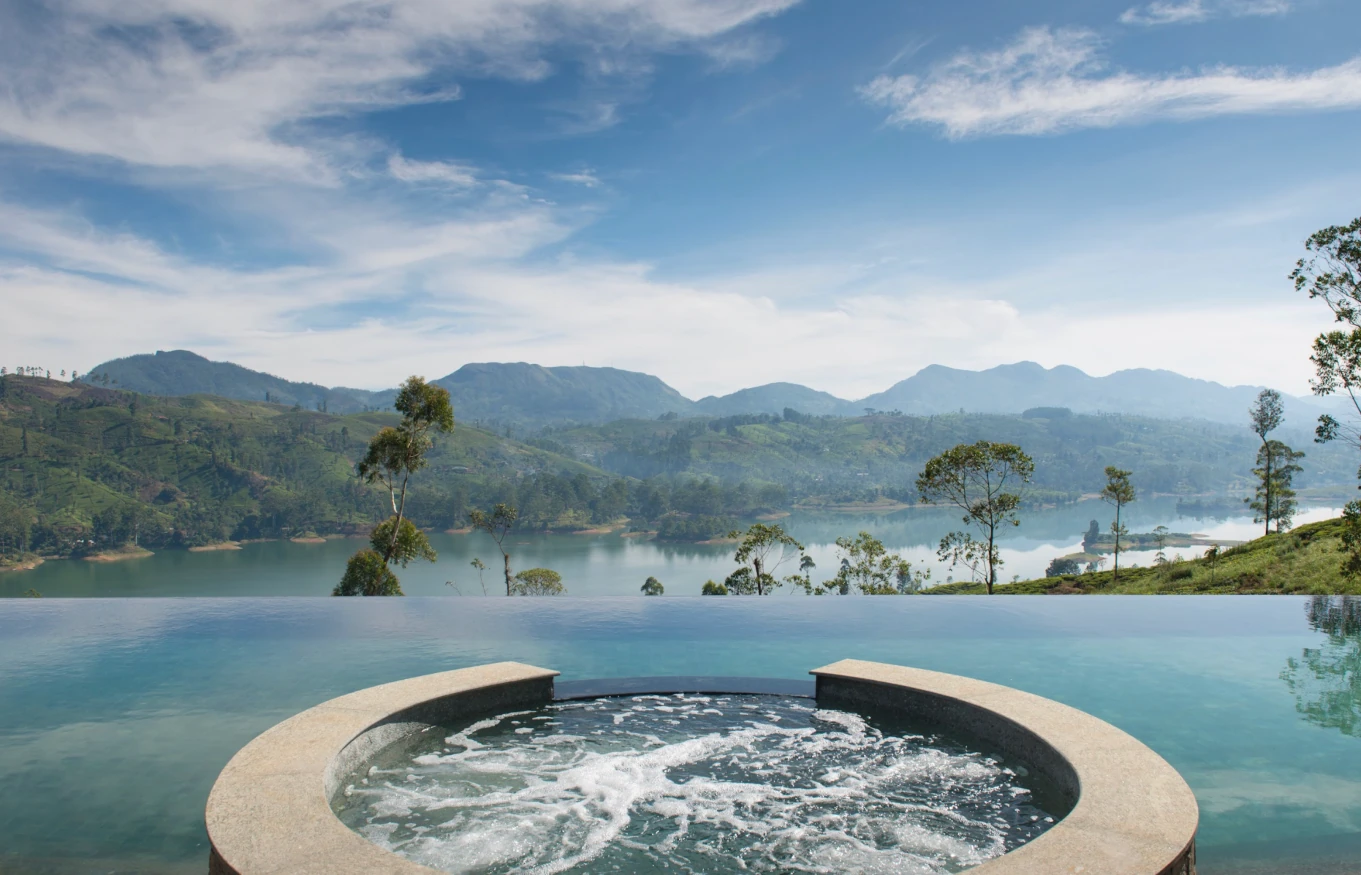
- Natural Beauty Without Crowds. Remote national parks, secluded beaches, and quiet mountain trails allow visitors to enjoy nature in its purest form. These places often boast stunning landscapes that rival famous sites but with the added benefit of solitude.
- Affordability and Accessibility. Many hidden gems are more budget-friendly than their tourist-heavy counterparts. Lower costs for accommodation, food, and activities make extended stays possible, allowing deeper exploration.
- Sustainable Tourism Impact. By visiting less-known places, travelers help distribute economic benefits more evenly and reduce pressure on over-touristed areas. This supports conservation efforts and empowers local communities.
- Unique Historical and Archaeological Sites. From ancient hilltop villages to forgotten ruins, offbeat destinations often contain historical treasures that tell stories untold by mainstream tourism. These sites offer a glimpse into the past without the crowds of major landmarks.
- Personal Growth Through Challenge. Traveling off the beaten path tests adaptability, problem-solving skills, and openness to new experiences. It fosters resilience and broadens perspectives in ways that structured tourist itineraries cannot.
- Hidden Culinary Delights. Local cuisines in offbeat regions are often preserved in their most authentic forms. Travelers can savor dishes passed down through generations, from family-run eateries to seasonal food festivals.
Frequently Asked Questions / Pros & Cons
What makes a destination truly ‘offbeat’?
An offbeat destination is typically one that receives significantly fewer international or domestic tourists compared to major cities or popular attractions. It may lack widespread recognition in travel guides or online platforms but holds cultural, historical, or natural significance. The key is authenticity and a sense of discovery. Places like the village of Giethoorn in the Netherlands, known as the ‘Venice of the North’ for its canals and absence of cars, or the remote atolls of Tuvalu in the Pacific, exemplify offbeat travel.
Are offbeat destinations safe for solo travelers?
Safety depends on the specific location and individual preparedness. Many offbeat destinations are perfectly safe for solo travelers, especially in countries with low crime rates and well-established tourism infrastructure. However, travelers should research local customs, transportation options, and potential health risks. Carrying basic supplies, having offline maps, and staying connected with trusted contacts can enhance safety. It is wise to avoid areas with political instability or poor infrastructure unless traveling with a reputable guide.
How do I find reliable information about offbeat destinations?
Start with travel blogs and forums where seasoned travelers share firsthand experiences. Websites like Lonely Planet’s ‘Hidden Gems’ section or regional travel associations often highlight lesser-known spots. Social media groups dedicated to specific countries or types of travel can offer real-time insights. Additionally, reaching out to local tourism boards or community-based tourism initiatives can provide authentic and up-to-date advice. Always cross-check information from multiple sources to ensure accuracy.
What are the main challenges of traveling to offbeat destinations?
Common challenges include limited transportation options, scarce accommodation choices, language barriers, and fewer tourist services such as ATMs or medical facilities. Some regions may have unreliable internet access or lack English speakers. Weather conditions can also be more extreme or unpredictable. These challenges require flexibility, patience, and careful planning. They can be rewarding once overcome, but travelers must be prepared for the unexpected.
Can families and children enjoy offbeat destinations?
Absolutely. Offbeat destinations can be ideal for families seeking meaningful travel experiences. However, parents should consider the comfort and safety of children, especially in remote areas. Destinations with gentle activities like nature walks, cultural workshops, or wildlife spotting are well-suited for families. Choosing places with basic amenities and a relaxed pace ensures a positive experience for all ages. Involving children in planning, such as learning about local traditions or trying new foods, can make the trip educational and fun.
Are offbeat destinations environmentally friendly?
Many offbeat destinations are inherently more sustainable due to lower visitor numbers, but this is not guaranteed. The environmental impact depends on how travelers and local communities manage resources. Supporting eco-friendly accommodations, minimizing plastic use, respecting wildlife, and following local conservation guidelines are essential. Some offbeat locations are working toward sustainable tourism certifications, making them ideal choices for eco-conscious travelers.
Practical Guidance & Solutions
Planning a trip to an offbeat destination begins with thorough research and realistic expectations. Start by identifying your travel style and interests. Are you drawn to cultural immersion, adventure, or relaxation? This will guide your choice of destinations. Once you have a shortlist, investigate transportation options in detail. Some remote areas require multiple modes of transport, such as buses, ferries, or even horseback riding. Booking tickets in advance can save time and stress, especially in places with infrequent services.
Accommodation is another key consideration. While major cities offer a wide range of hotels, offbeat locations may have limited options. Homestays, guesthouses, or eco-lodges can provide authentic experiences while supporting local families. Always read recent reviews to gauge cleanliness, safety, and hospitality. For longer stays, consider renting an apartment or cottage to enjoy a home-like environment.
Packing smartly is essential. Bring versatile clothing suitable for varying climates and activities. Include comfortable walking shoes, a reusable water bottle, a universal power adapter, and basic first-aid supplies. A portable charger and offline maps or guidebooks are invaluable in areas with poor connectivity. Learning a few key phrases in the local language can go a long way in building rapport with residents.
Respect for local customs cannot be overstated. Research cultural norms, dress codes, and etiquette before arrival. For example, some communities may require modest clothing, while others have strict rules about photography. Always ask for permission before taking photos of people or sacred sites. Supporting local businesses by purchasing handmade crafts or eating at family-run restaurants helps sustain the community’s economy.
Finally, maintain flexibility in your itinerary. Offbeat travel often involves unpredictability, from delayed transport to unexpected invitations to join local celebrations. Embrace these moments as part of the adventure. Keep an open mind and be willing to adjust plans based on new opportunities or challenges. The most memorable travel experiences often come from unplanned encounters and spontaneous decisions.
Conclusion
Exploring offbeat destinations is more than a trend. It is a return to the essence of travel: discovery, connection, and transformation. In a world where tourist crowds can overshadow the true spirit of a place, choosing to venture off the beaten path offers a chance to rediscover wonder. These hidden gems teach us patience, humility, and curiosity. They remind us that beauty exists not only in famous landmarks but also in quiet villages, untouched forests, and the stories of people who call these places home. By supporting sustainable and respectful travel, we help preserve these treasures for future generations. So the next time you plan a trip, consider looking beyond the guidebook. You might just uncover a hidden gem that changes the way you see the world, and yourself.
About the Author



:max_bytes(150000):strip_icc()/TAL-beach-turks-and-caicos-WHERETOGO2025-c80407ad9a394c7a877fe74f506f3342.jpg "Top Trip Ideas for 2025 Travel")