

Introduction & Background
The allure of undiscovered places has always captivated adventurers, dreamers, and wanderers alike. While iconic landmarks like the Eiffel Tower or the Great Wall of China draw millions of visitors each year, they represent only a fraction of our planet’s hidden beauty. Beyond the well-trodden tourist trails lie destinations that remain largely untouched by mass tourism, offering authentic experiences, untouched landscapes, and rich cultural encounters. These hidden gems provide a rare opportunity to escape crowds, immerse oneself in local traditions, and witness nature in its purest form. In a world where travel has become increasingly commercialized, seeking out these secret spots is not just a trend, but a return to the essence of exploration. They remind us that the world is far bigger than the postcards we see, and that true discovery lies off the beaten path.
Concept & Overview
Hidden destinations refer to places that are not widely promoted by travel agencies or featured prominently in guidebooks, yet possess exceptional natural, historical, or cultural significance. These locations often lack infrastructure for mass tourism, which paradoxically makes them more authentic and rewarding for those who venture there. The concept revolves around the idea of slow travel, where the journey itself becomes as important as the destination. It emphasizes quality over quantity, depth over breadth, and connection over consumption. From remote islands in the Pacific to ancient villages in the Himalayas, these places challenge conventional tourism narratives and invite travelers to engage more thoughtfully with the world. Understanding this concept requires a shift in mindset, from chasing famous landmarks to seeking meaningful experiences that resonate on a personal level.
Key Features & Highlights
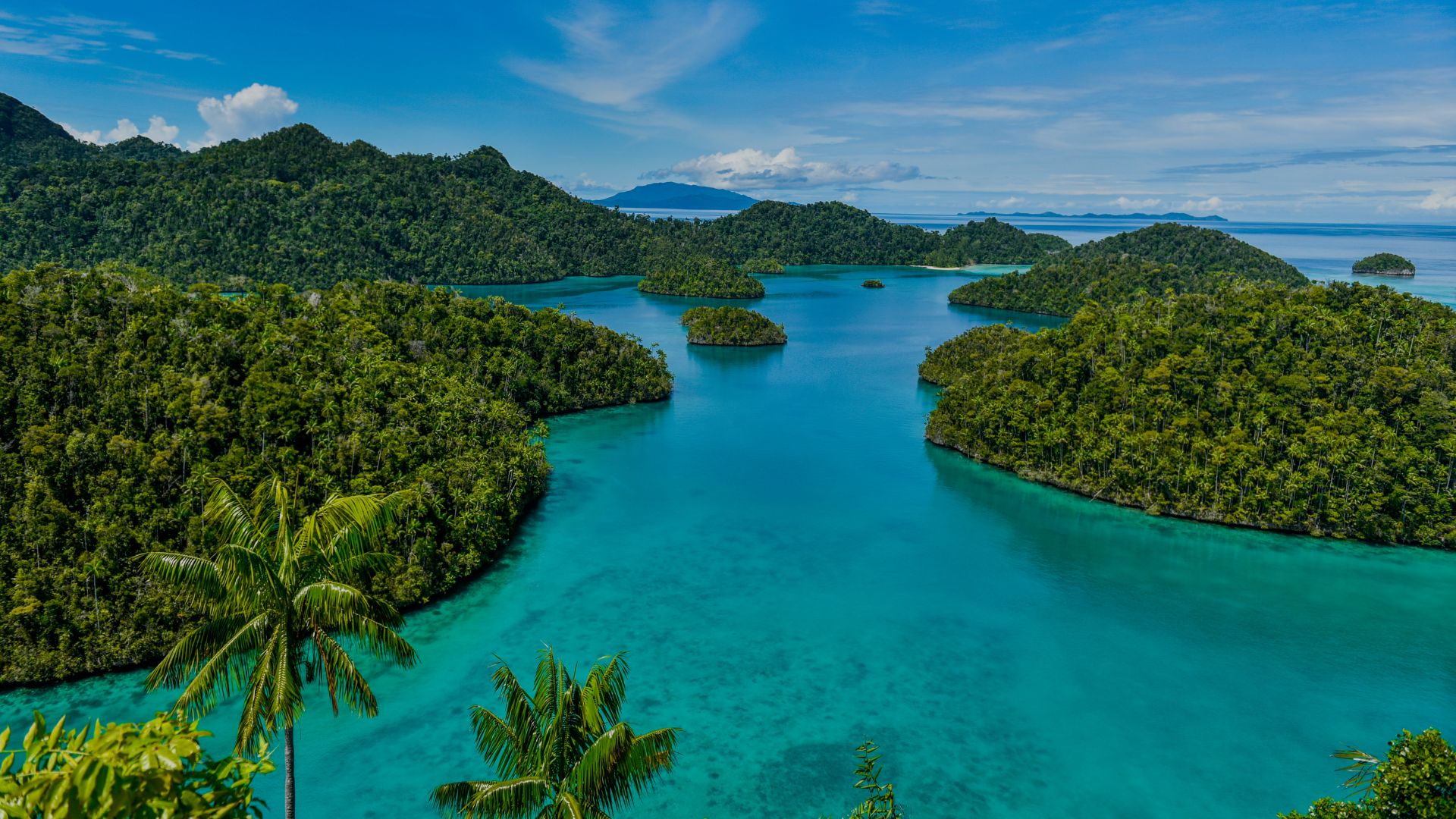
- Untouched Natural Landscapes. Many hidden destinations boast pristine beaches, lush rainforests, towering mountains, or serene lakes that remain unspoiled by development. These areas often serve as biodiversity hotspots and havens for endangered species.
- Rich Cultural Traditions. Off-the-beaten-path locations are frequently home to indigenous communities preserving centuries-old customs, crafts, and languages. Travelers can witness festivals, ceremonies, or daily life that reflect a deep connection to heritage.
- Low Impact on Local Ecosystems. Unlike overcrowded tourist sites, hidden destinations typically experience minimal environmental strain. This makes them ideal for sustainable and responsible travel.
- Unique Historical Sites. Ancient ruins, forgotten temples, or colonial-era buildings often lie abandoned or overlooked. These sites offer a glimpse into the past without the interference of commercial tourism.
- Authentic Culinary Experiences. Local cuisine in remote areas is often prepared with fresh, locally sourced ingredients and traditional recipes. Food becomes a gateway to understanding a region’s history and identity.
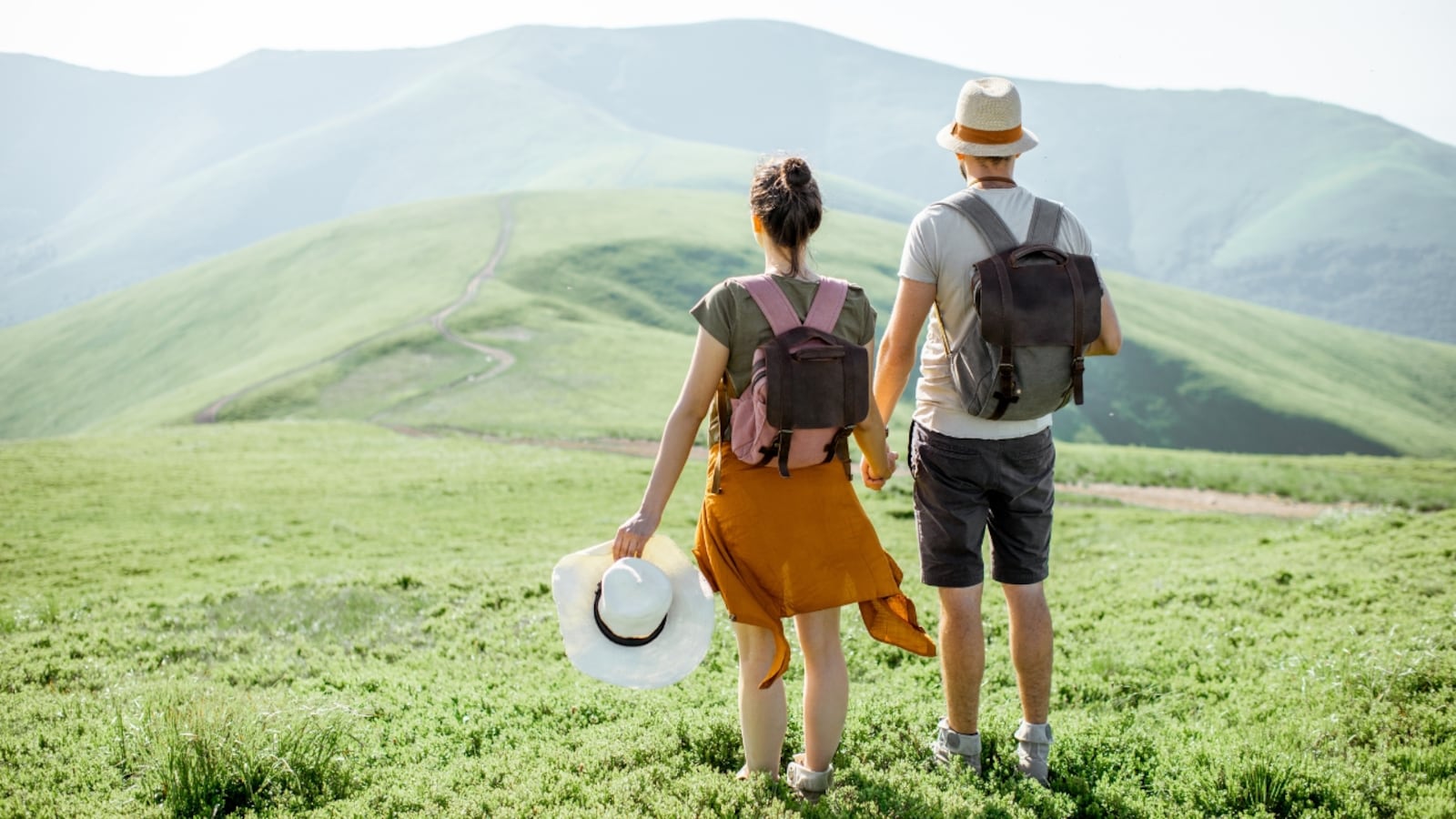
- Challenging Accessibility. Many hidden gems require long journeys, rugged hikes, or boat rides, adding an element of adventure. This physical effort often enhances the sense of accomplishment upon arrival.
Frequently Asked Questions / Pros & Cons
Is visiting hidden destinations safe?
Safety depends on thorough research and proper preparation. While remote areas may lack medical facilities or emergency services, many have become safer as tourism develops in a responsible way. Local guides and community-based tourism initiatives can greatly enhance safety and provide cultural insights. It’s essential to check travel advisories, understand local customs, and prepare for limited access to resources.
Do hidden destinations cost more to visit?
Generally, no. In fact, they often cost less than popular tourist spots. Accommodation, food, and local services are typically more affordable in areas less frequented by international travelers. However, transportation costs may be higher due to longer travel times or specialized transport options. Budgeting for self-sufficiency is often necessary, as amenities may be basic or nonexistent.
How can I find authentic hidden gems without relying on travel agencies?
Start with independent travel blogs, local tourism websites, and forums like Reddit or specialized Facebook groups where travelers share personal experiences. Books and documentaries focusing on lesser-known regions can also inspire discovery. Engaging with online communities of slow travelers or digital nomads can provide firsthand recommendations. Always cross-reference multiple sources to validate authenticity and accessibility.
What are the environmental impacts of visiting hidden destinations?
While these places are less crowded, they can still be vulnerable to environmental damage if tourism increases. The arrival of visitors may lead to littering, habitat disruption, or cultural erosion if not managed carefully. Responsible travel practices, such as minimizing waste, respecting local regulations, and supporting eco-friendly accommodations, are crucial. Choose destinations that prioritize sustainability and consider volunteering with conservation projects to give back to the community.
Are hidden destinations suitable for families or solo travelers?
Both can be suitable, but with different considerations. Families should research destinations with appropriate amenities, safe environments, and manageable travel logistics. Solo travelers, especially women, may need to assess cultural attitudes and safety protocols in more conservative or remote communities. Group travel or guided tours can offer added security and support, especially in unfamiliar territories. Flexibility and preparation are key to ensuring a positive experience for any traveler.
Practical Guidance & Solutions
To successfully explore hidden destinations, begin with a clear plan. Identify your priorities, whether it’s natural beauty, cultural immersion, or adventure. Research the best time to visit, considering weather and local festivals that may enhance your experience or disrupt travel plans. Learn basic phrases in the local language to foster respectful interactions and gain deeper insights. Pack light but wisely, carrying essentials like a reusable water bottle, first aid kit, and navigation tools, as stores may be scarce.
Connect with local communities before and during your trip. Stay in homestays, guesthouses, or eco-lodges owned by residents, which directly benefit the local economy. Ask locals for recommendations on lesser-known spots or seasonal events. Be mindful of your environmental footprint by using biodegradable products and avoiding plastic. If possible, travel during off-peak seasons to reduce strain on fragile ecosystems and experience destinations in their most authentic state.
Document your journey responsibly. Instead of posting real-time updates that may attract unwanted crowds, share your experiences after returning home. This protects the integrity of the destination and ensures it remains hidden for future explorers. Consider supporting conservation or cultural preservation projects through donations or volunteer work during your stay. By traveling thoughtfully, you become not just a visitor, but a steward of the places you cherish.
Conclusion
Hidden destinations are more than just places on a map, they are windows into the soul of a region, offering experiences that resonate long after the journey ends. In a world saturated with fleeting tourist snapshots, these secret spots invite us to slow down, observe, and connect. They challenge us to rethink what travel means, shifting the focus from ticking boxes to creating memories that shape our understanding of the world and ourselves. As accessibility grows and technology connects us further, the act of seeking out the unknown becomes an act of defiance against homogeneity and a celebration of diversity. Whether you’re drawn to the whisper of ancient forests, the rhythm of distant festivals, or the quiet beauty of untouched shores, remember that the greatest adventures often begin where the maps end. So pack your curiosity, respect the journey, and let the world’s best kept secrets unfold before you.
About the Author


:max_bytes(150000):strip_icc()/TAL-beach-turks-and-caicos-WHERETOGO2025-c80407ad9a394c7a877fe74f506f3342.jpg "Top Trip Ideas for 2025 Travel")