
A vacation rental advertises a nightly rate, then adds cleaning, service and local taxes at checkout. The final number can be far from the one that caught your eye, and the cancellation policy can make a flexible-looking booking expensive to change.
This guide explains the fees that appear at checkout, how deposits work, and how to verify a rental before you send money.
Key facts
- Cleaning and service fees can add 20 to 40 percent to a short stay.
- Deposit protection matters more than the deposit amount.
- Cancellation terms are part of the price.
- Check access, parking and house rules before you book.
Contents
- The anatomy of a rental price
- Deposits and damage protection
- Cancellation terms are part of the price
- House rules and hidden limits
- Verifying a rental before you pay
- Booking checklist
The anatomy of a rental price
Expect a nightly rate, a cleaning fee, a service fee charged by the platform, local taxes and sometimes a resort or community fee. Cleaning fees hurt short stays most, because they are fixed. A three-night booking can carry the same cleaning cost as a two-week stay.
Always open the full price breakdown before comparing listings. Sort by total, not by nightly rate. On short stays, a hotel may be cheaper once the rental fees are included.
Deposits and damage protection
Some rentals charge a refundable security deposit, others sell damage protection, and some do both. Read when the deposit is returned and who decides. A deposit held by the platform is generally safer than a bank transfer to an individual host.
Photograph the property on arrival and report existing damage immediately. This protects you and gives the host a record. Keep the messages inside the platform so there is a trail if a dispute arises.

Cancellation terms are part of the price
A flexible rate that costs more can be better value than a cheap non-refundable booking you cannot use. Check the deadline, the percentage refunded and whether the cleaning fee is returned. Policies differ between platforms and between individual hosts.
If your plans depend on flights or family circumstances, pay for flexibility or insurance. Do not assume a “moderate” policy covers a change two weeks before arrival. Read the actual dates.
House rules and hidden limits
Check the maximum occupancy, visitor policy, quiet hours and whether parties are allowed. Some buildings restrict short rentals, which can cause problems on arrival. Check parking, lift access and whether the apartment is walk-up.
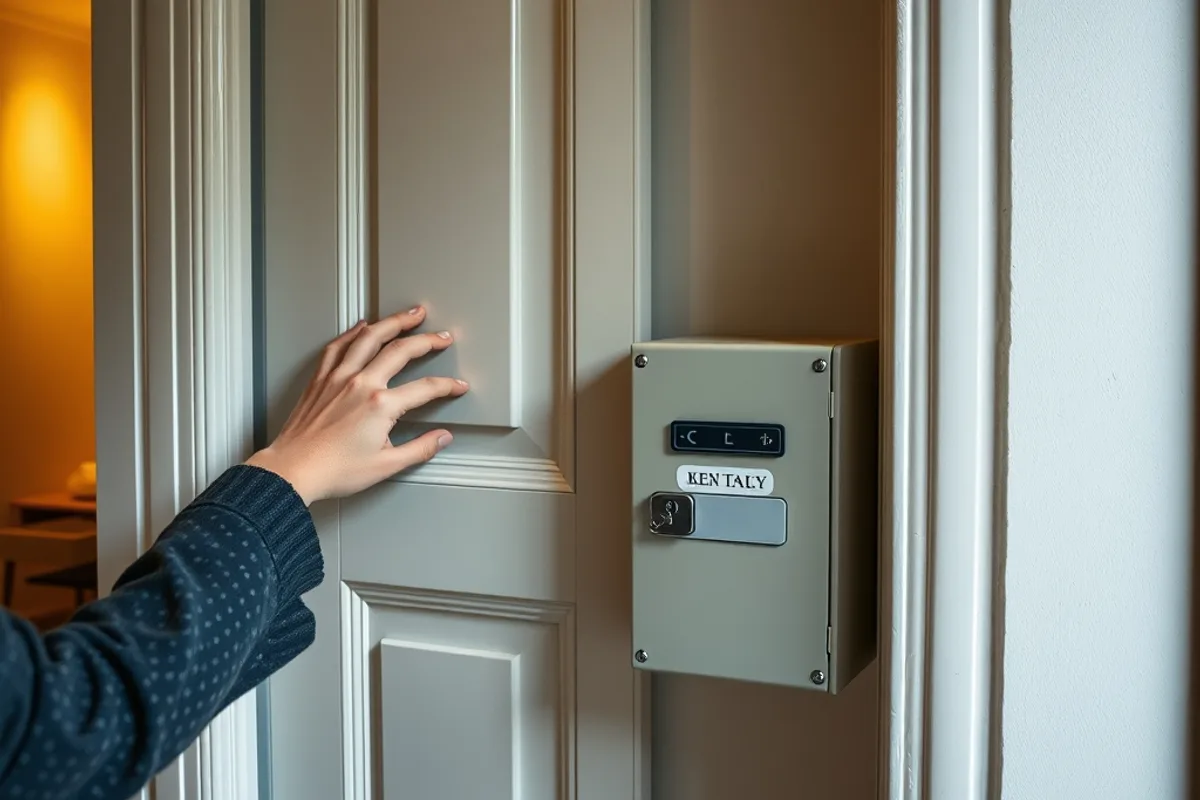
Read the amenity list carefully. “Air conditioning” may mean one unit in the living room. “Beach access” may mean a 15-minute walk. “Self check-in” may mean a lockbox with a code sent at the last minute.
Verifying a rental before you pay
Look for a consistent listing history, recent reviews and photos that match the description. Reverse-image search the photos if a deal looks too good. Be cautious if the host asks to move the conversation off the platform or requests a bank transfer.
Confirm the exact address before paying, or at least the neighbourhood and building. A host who will not share the location until after payment is a risk. Check the registration or licence number where local rules require one.

Booking checklist
Compare the total price, check the cancellation deadline, confirm the deposit terms, read the house rules and verify the address and check-in method. Save the host’s messages and the listing details in one place.
Then decide whether the rental suits the trip. A apartment with a kitchen is excellent for a week with family; it is unnecessary for two nights in a city. Match the property to the holiday, not to the photograph.

Vacation rentals can be excellent value, but only when you compare the total price and read the terms. Check fees, deposits, cancellation and access before paying. For the alternative, see our villa vs hotel guide.