
An all-inclusive package is sold as a simple idea: one price, then everything is handled. In practice the price covers a defined list of food, drinks, activities and services, and the edges of that list decide whether the trip feels generous or quietly expensive.
This guide explains what a typical package includes in 2026, where the extra costs hide, and how to compare two offers that use the same words on the brochure but deliver very different holidays.
Key facts
- “All-inclusive” rarely means every item on the resort menu is free.
- Transfers, taxes and some activities are often excluded from the headline price.
- Room category changes the value of a package more than the resort name does.
- A package can still be good value — you just need to price the extras first.
Contents
- What the price actually covers
- Where the extras hide
- Room category changes the maths
- Food and drink reality check
- How to compare two quotes
- Who packages suit, and who they do not
- A booking checklist
What the price actually covers
Most resort packages bundle four things: accommodation, meals in designated venues, a drinks list, and access to pools and beaches. The detail sits in the adjectives. “Breakfast included” is not “all-inclusive”. “Selected drinks” usually means local beer, house wine and soft drinks, not the cocktail menu.
Ask for the inclusions sheet before you compare prices. A useful sheet lists restaurants by name, opening hours, drinks brands, watersports, kids clubs, gym access and airport transfers. If the resort cannot send it, treat the offer as accommodation with meals and price everything else yourself.
Where the extras hide
The most common excluded costs are airport transfers, resort taxes, premium restaurants, spa treatments, excursions, late checkout and room upgrades. Some destinations also charge a nightly tourist tax on arrival, which can add a meaningful amount over a two-week stay.
Read the cancellation terms at the same time. A cheap package with a 100 percent penalty two weeks before departure is not the same product as a flexible rate that costs a little more. Insurance should cover the risks you cannot cancel around, not the ones you can simply plan for.

Room category changes the maths
Two guests can pay very different prices for the same resort because of the room. A garden-view room may be 30 percent cheaper than a sea-view suite, and the difference often buys more holiday than an upgraded drinks package.
Decide what you will actually use. If you plan to be at the beach all day, a premium view is decoration. If the room is your retreat during hot afternoons, the upgrade may be the best money you spend. Check bed configuration and floor level too; “sea view” can mean a distant strip of blue above a car park.
Food and drink reality check
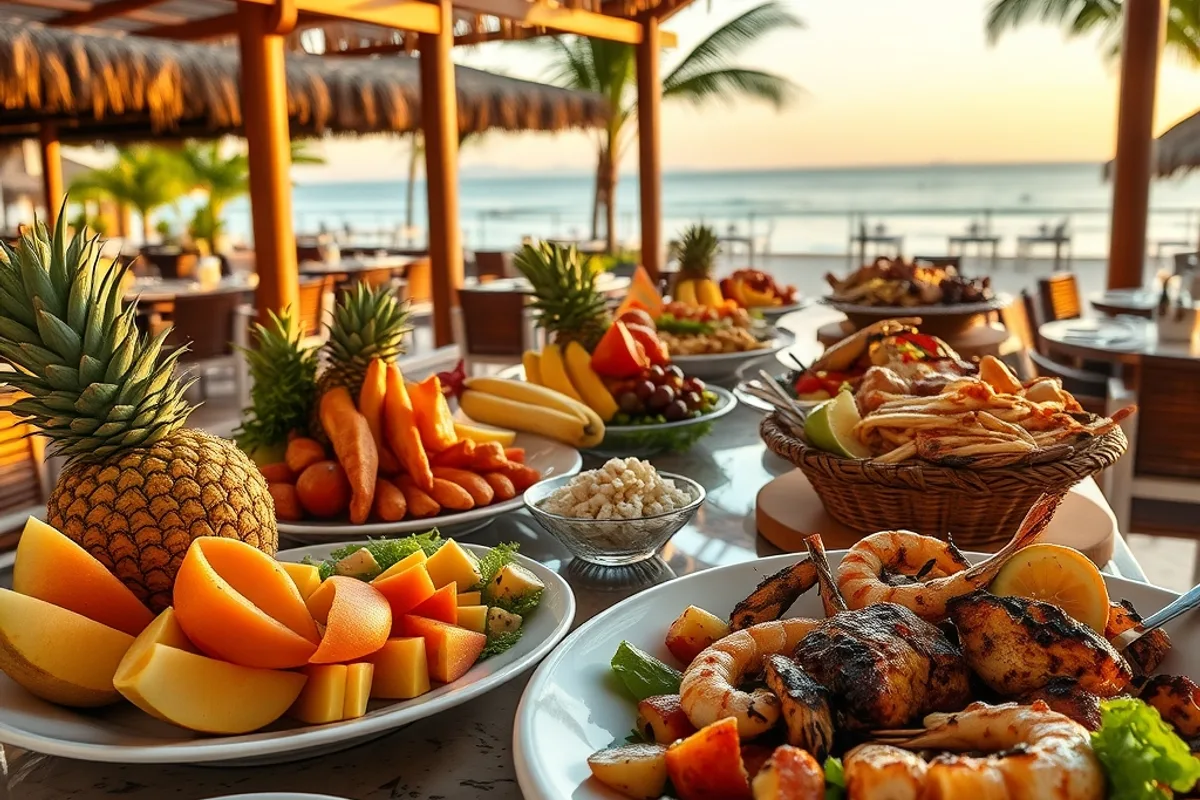
Buffet quality varies more than hotel star ratings suggest. Look for resorts with several restaurants and a rotating menu, because a single buffet for seven nights becomes repetitive. Check whether speciality restaurants require reservations or carry a supplement.
If you drink little alcohol, a full package may be worse value than a half-board rate plus a local restaurant or two. The same applies to families with young children, who rarely eat enough to justify an adult package price. Price the plan you will genuinely use.
How to compare two quotes
Build a like-for-like total. Start with the room, then add transfers, taxes, insurance, checked baggage, seat selection and any meal or drinks you expect to buy outside the package. Include one or two paid excursions if those matter to the trip.
Then compare the schedule. A flight that lands at midnight can cost a night’s accommodation and a tired first day, which is a real cost even if it does not appear on the invoice. The cheapest quote is often the one with the least convenient timetable.

Who packages suit, and who they do not
Packages suit travellers who want one booking, predictable spending and little planning. They work well for families, groups and anyone whose priority is switching off rather than exploring. They suit short trips where the transfer and logistics would otherwise eat a day.
They suit less well if you want to eat locally, move between towns or chase a specific experience. In those trips, independent bookings usually cost less and give you better choices. Neither approach is inherently smarter; they solve different holidays.
A booking checklist
Before paying, confirm the inclusions sheet, the room category, transfer arrangements, taxes, cancellation deadlines and the insurance position. Save the confirmation email and the resort’s own contact details in one place.
Finally, check recent guest photos rather than brochure renders. They show the beach, the room and the buffet as they are. A package is only good value when the product matches the promise, and photos are the quickest way to test that.

All-inclusive can be excellent value, but only when you price the whole trip. Read the inclusions, match the room to your habits and compare the total cost of the holiday rather than the number on the banner. For a different way to structure a trip, see our group travel package guide.