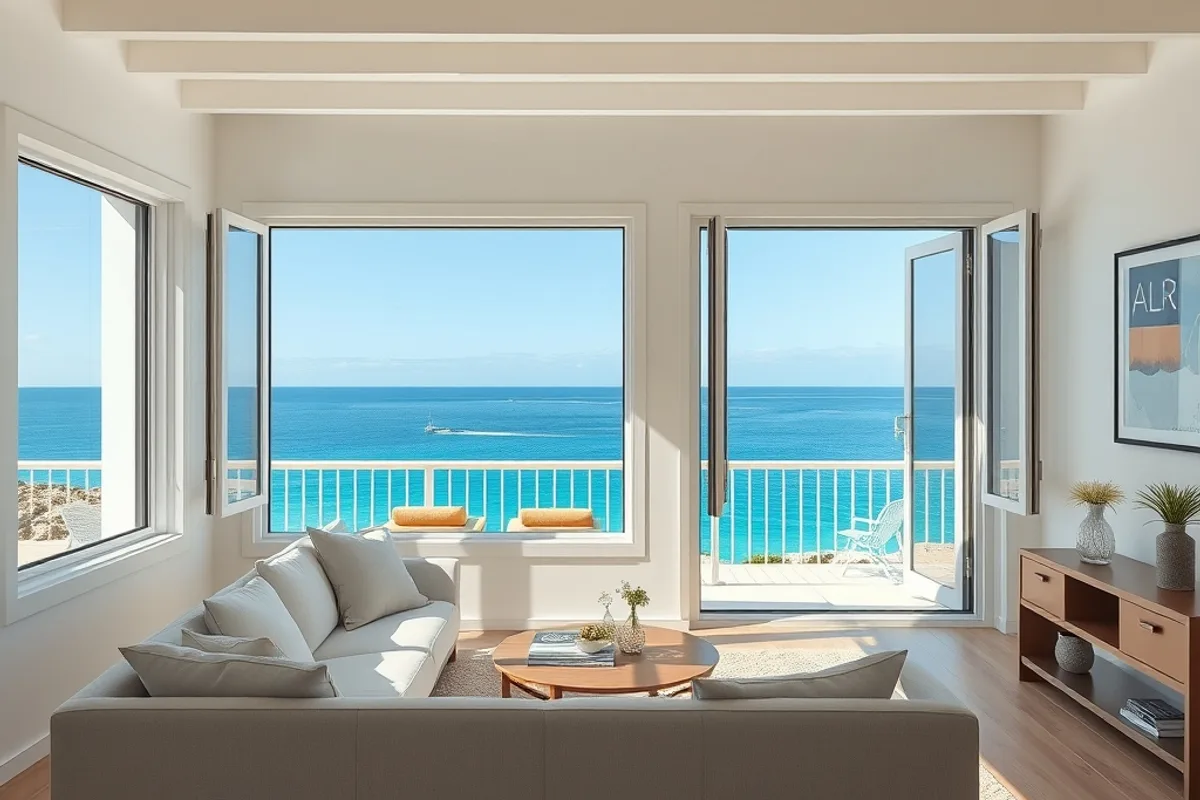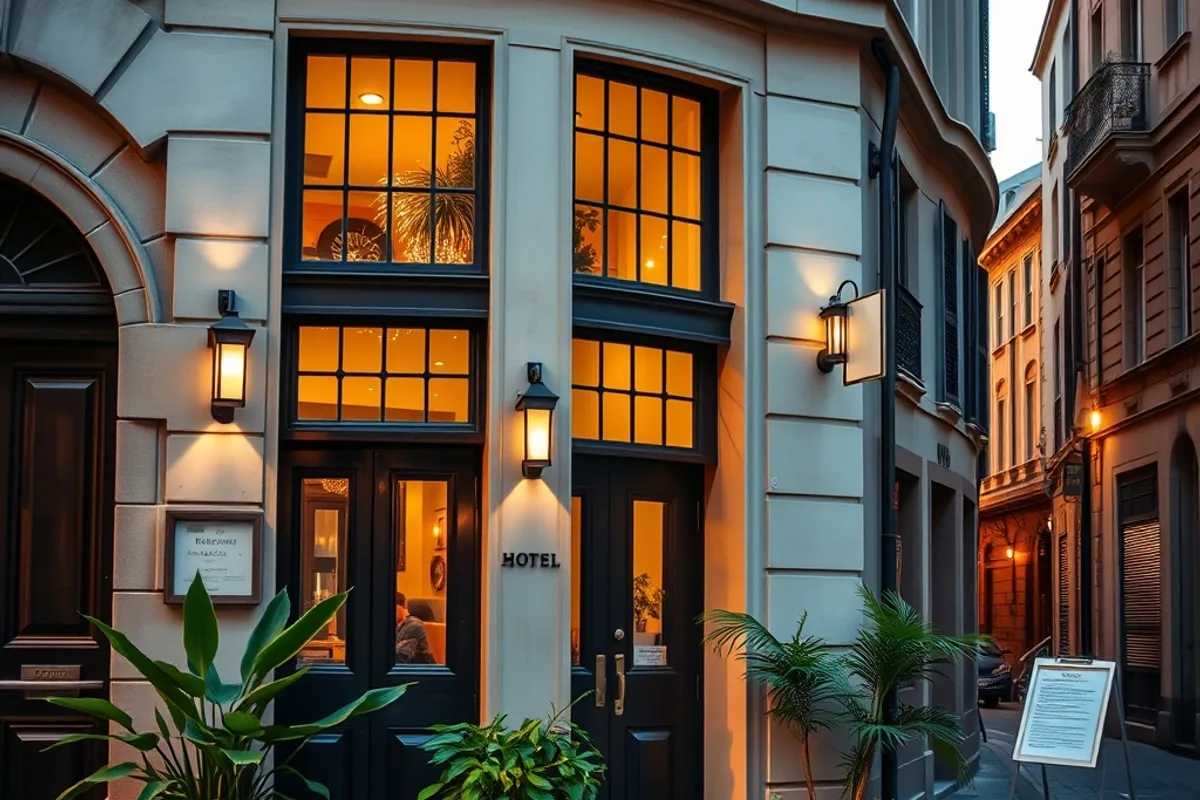
Boutique hotels sell personality: design, local character and personal service. When they get it right, they are far more memorable than a chain room. When they get it wrong, the design photographs hide small rooms, thin walls and a reception desk that is only staffed until six.
This guide explains how to read a boutique hotel before booking, which review details actually predict a good stay, and what to check in the first ten minutes after you arrive.
Key facts
- “Boutique” is a marketing term, not a quality rating.
- Guest photos are more reliable than staged hotel photography.
- Small hotels vary more between rooms than large chains do.
- Noise, mattress quality and shower pressure decide more stays than décor.
Contents
- What “boutique” actually means
- How to read reviews properly
- The room checks that matter
- Location and noise
- Service signals before you book
- A quick verdict framework
What “boutique” actually means
There is no single industry definition. Boutique usually describes a small, independently styled property, often with fewer than 50 rooms, a design-led interior and a focus on service. It says nothing about soundproofing, breakfast or air conditioning.
Use the word as a hint, not a guarantee. Then look at the facts: room size in square metres, lift access, reception hours, breakfast format and the exact street. Those details predict your stay far better than the lobby photograph.
How to read reviews properly
Start with recent reviews from the last three months and read the middle ratings, not only the extremes. Look for repeated complaints: street noise, weak Wi-Fi, cold water, hard beds, slow check-in. One complaint may be personal; the same complaint in five reviews is a pattern.
Guest photos are especially useful. They show the real room size, the view and the breakfast. Compare them with the official gallery and note which room type the photos show. Hotels often photograph their best suite and sell the standard room.
The room checks that matter
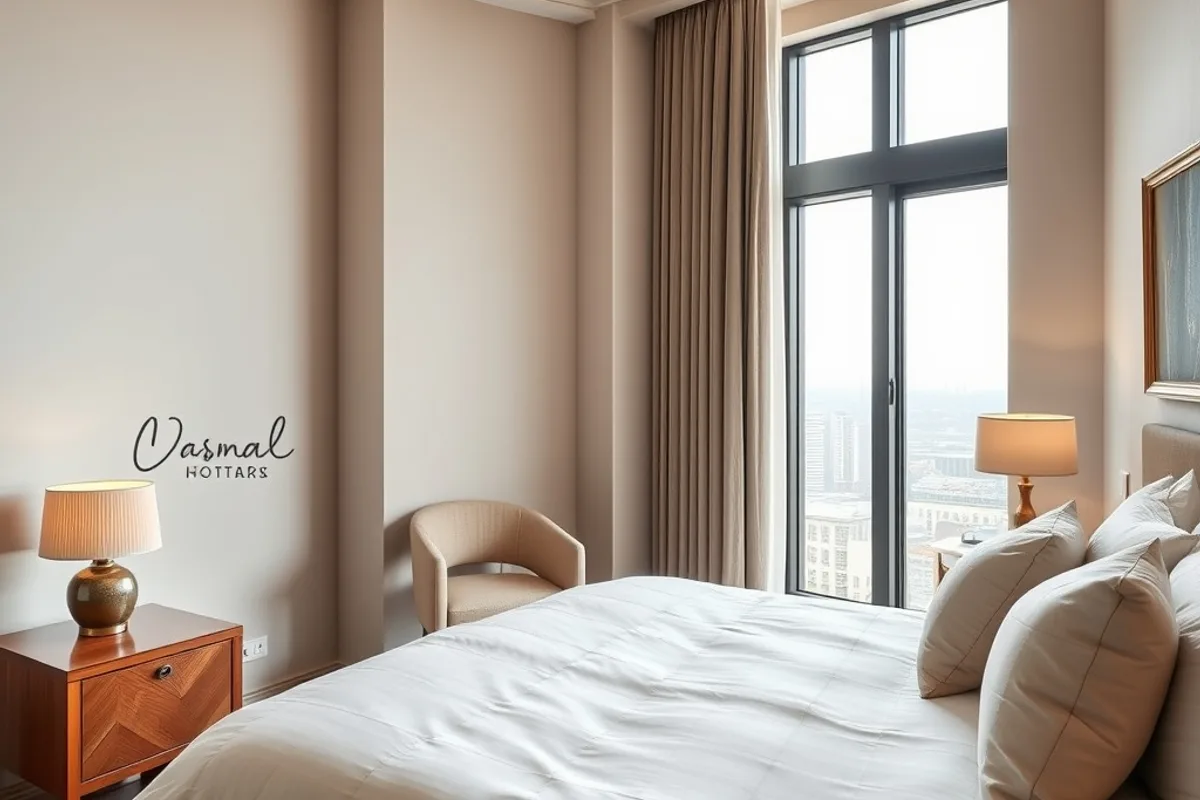
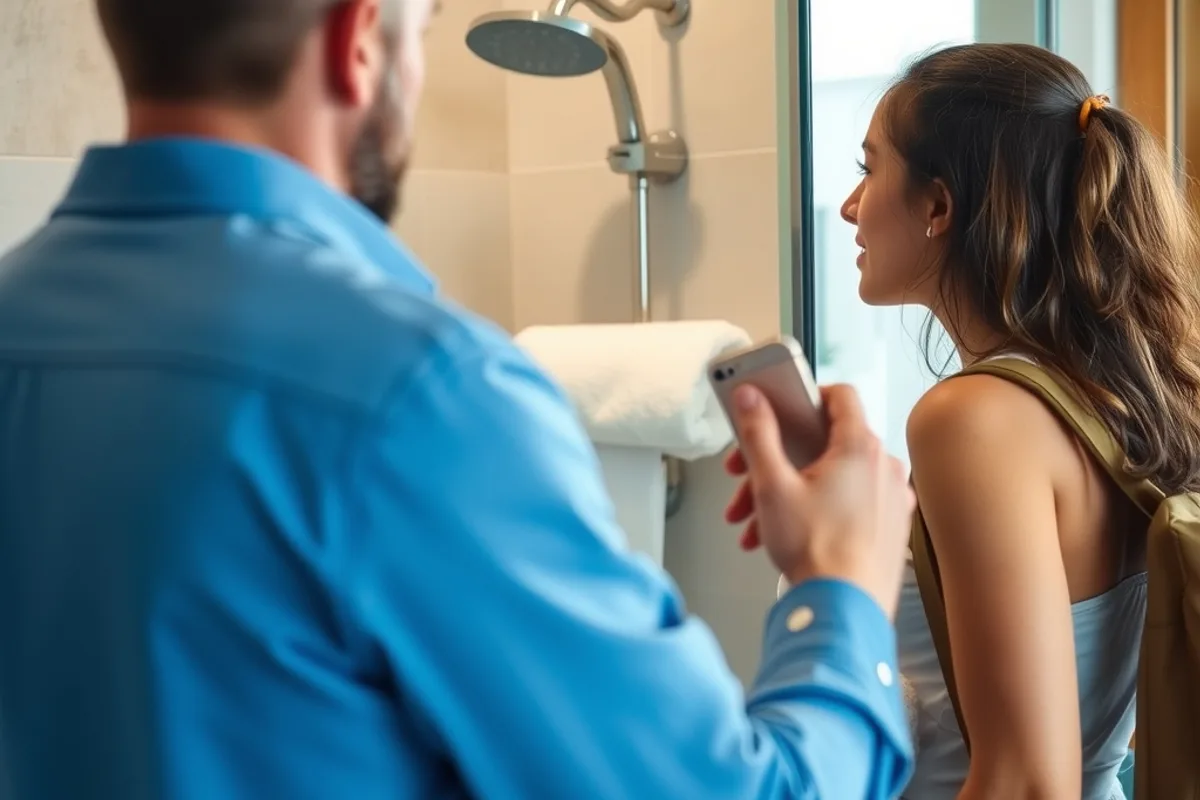
On arrival, test the things that will annoy you for the whole stay: the mattress, the shower pressure, the air conditioning, the window noise and the Wi-Fi. Open the curtains and look at the view you paid for. If the room is wrong, raise it immediately, while reception still has alternatives.
Check the bathroom ventilation and the lighting around the mirror. Small hotels sometimes convert historic buildings, which can mean low water pressure or a bathroom without a window. None of this is fatal, but you should know before unpacking.
Location and noise
A central location is worth a lot, but the street matters. Bars, tram lines, churches with bells and delivery zones can all make a charming room noisy. Use satellite view and street view, and search reviews for the word “noise”.
Ask for a room away from the street if you are a light sleeper, and confirm whether the hotel has a lift. In older buildings, a fourth-floor room with no lift is a different proposition with luggage and a toddler.
Service signals before you book
Reception hours, response time to emails and the clarity of the booking terms tell you how the hotel operates. A property that answers a simple question promptly is more likely to handle a problem well. A booking page with vague policies is a warning.
Check whether breakfast is included, whether it is served in the room and until what time. Boutique hotels often have limited staff, so an early flight may mean no breakfast at all. Ask before you count on it.

A quick verdict framework
Judge the hotel on four things: room comfort, location, service reliability and value for the price paid. A beautiful lobby cannot rescue a bad mattress, and a perfect mattress cannot rescue a room next to a nightclub.
If a hotel scores well on the four, ignore the missing gym. If it scores badly on sleep quality, no amount of styling makes up for it. Travel is tiring enough without paying for a room you cannot rest in.
Boutique hotels reward research. Read guest photos, search for repeated complaints and confirm the practical details before booking. If you are choosing between a small hotel and a rental, our villa vs hotel guide sets out the trade-offs.