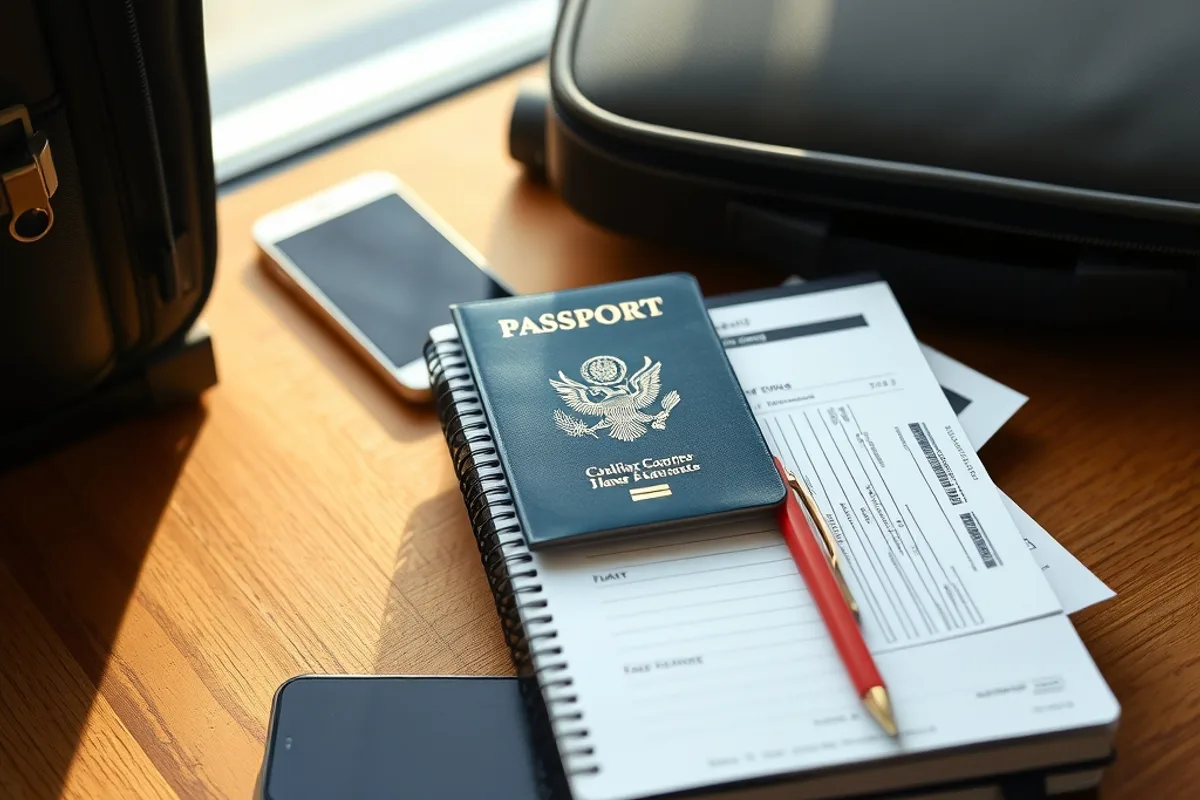
A first international trip is mostly logistics. The flights and the hotel are the easy part. The trip becomes stressful when a passport rule, a card block or an overpacked bag turns a small problem into a bad first day.
This guide covers the checks that matter before you leave, how to handle money abroad, what to pack, and how to make the arrival day work in your favour.
Key facts
- Passport validity rules vary by destination and are enforced at check-in.
- Carry two ways to pay and a small amount of local cash.
- Pack for the laundry you will do, not for every possible day.
- Your arrival day should be deliberately light.
Contents
- Documents and entry rules
- Money, cards and backups
- Packing that actually works
- The arrival day
- Connectivity and staying safe
- The week-before checklist
Documents and entry rules
Check the passport validity rule for your destination, not just the expiry date. Many countries require six months of validity beyond your return date, and airlines enforce it at check-in. Check visa requirements and whether you need a transit visa for a connection.
Print or save offline copies of your passport, insurance policy, booking confirmations and emergency contacts. Keep one copy separate from the originals. If your phone dies or is stolen, paper still works.
Money, cards and backups
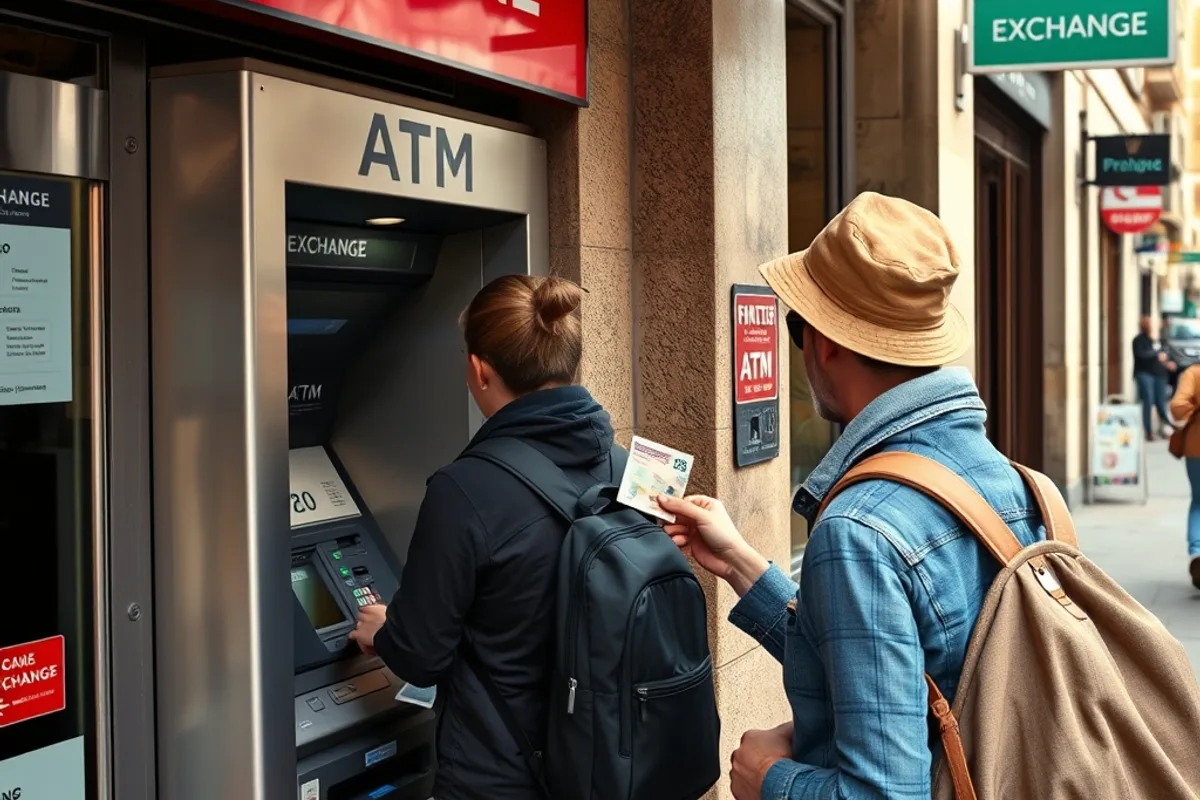
Carry two cards from different networks and a modest amount of local currency. Tell your bank you are travelling if it still requires notice. Check foreign transaction fees before you rely on a card for everything.
Use airport ATMs cautiously; the fees and exchange rates are often poor. Withdraw once, take enough for a day or two, and use a bank ATM in town afterwards. Always choose to be charged in the local currency, not your home currency, when a terminal offers the choice.
Packing that actually works
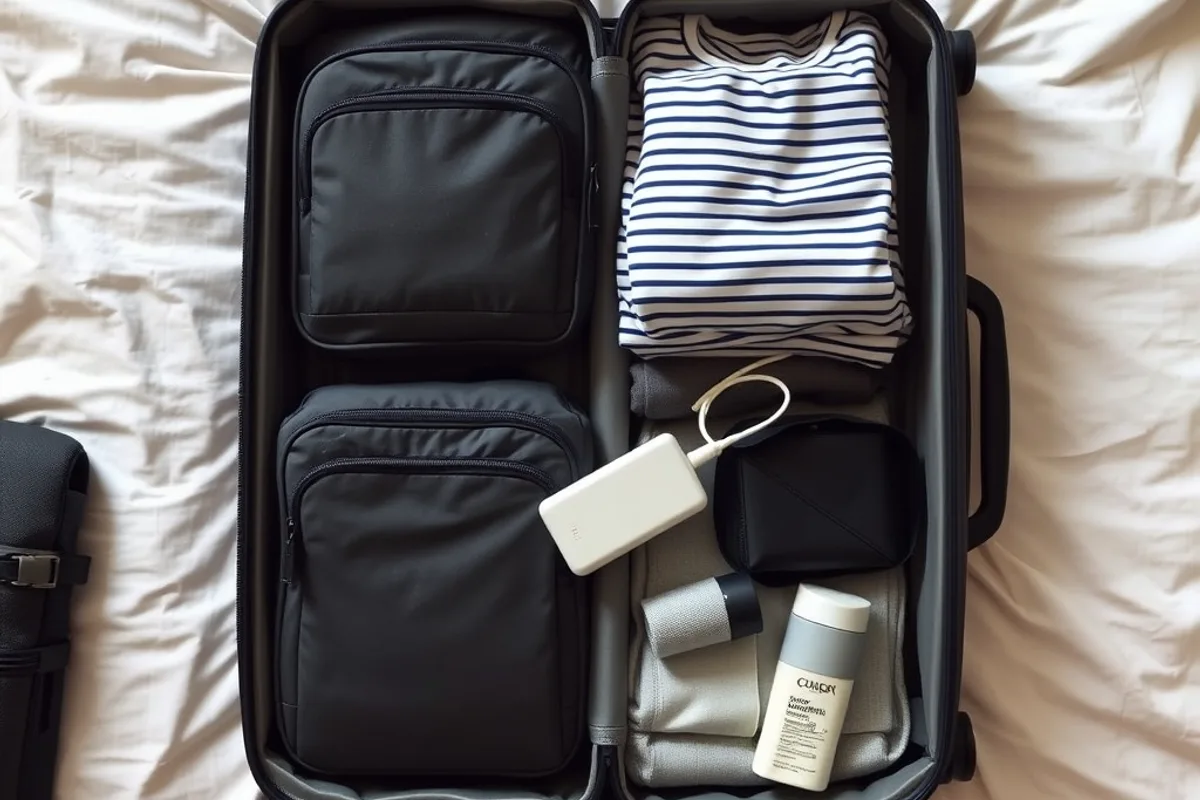
Pack for a week, then plan to do laundry. Most first trips are overpacked because every item feels possible. Choose a colour palette, two pairs of shoes and layers that work together. Check the airline’s cabin bag size and weight limits before you buy a new bag.
Put medication, chargers, a change of clothes and your documents in your carry-on. If your checked bag is delayed, you can still function. Include a universal adapter, a small power bank and a reusable water bottle.
The arrival day
Plan the transfer before you land. Know the name of the station, the taxi app or the hotel shuttle, and have the address saved offline. If you arrive late, confirm that reception is staffed and that the door code works.
Keep the first day light. A short walk, a meal and an early night beat a full itinerary after a long flight. Jet lag is easier to manage with daylight and water than with caffeine and ambition.
Connectivity and staying safe
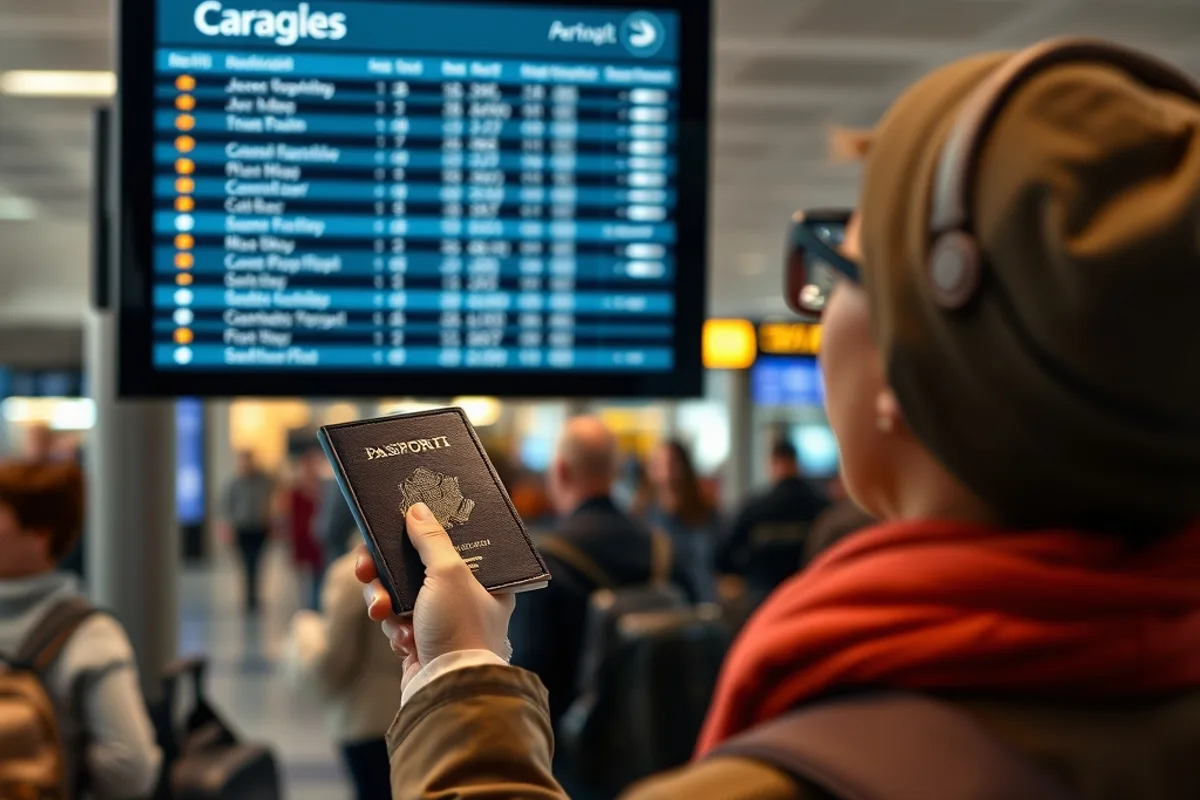
A local eSIM is usually cheaper than roaming. Install it before you fly and test it on arrival. Download offline maps for the city and save your hotel’s address in the local language.
Keep valuables out of sight, avoid unlicensed taxis and check the local emergency number. Share your itinerary with someone at home. Most trips are uneventful, but basic precautions remove the easy problems.

The week-before checklist
Confirm passport validity and visas, check in online, print the key documents, notify your bank, download offline maps, install the eSIM and confirm the transfer. Weigh your bag at home and check the airline rules one more time.
Then stop planning. A first trip does not need a perfect itinerary; it needs the basics to work. Leave room for the unexpected, because that is usually the part you remember.
First trips go well when the boring details are handled early. Check documents, carry backup payment, pack light and keep the arrival day simple. Once you are there, our three-day city break guide will help you use the time well.