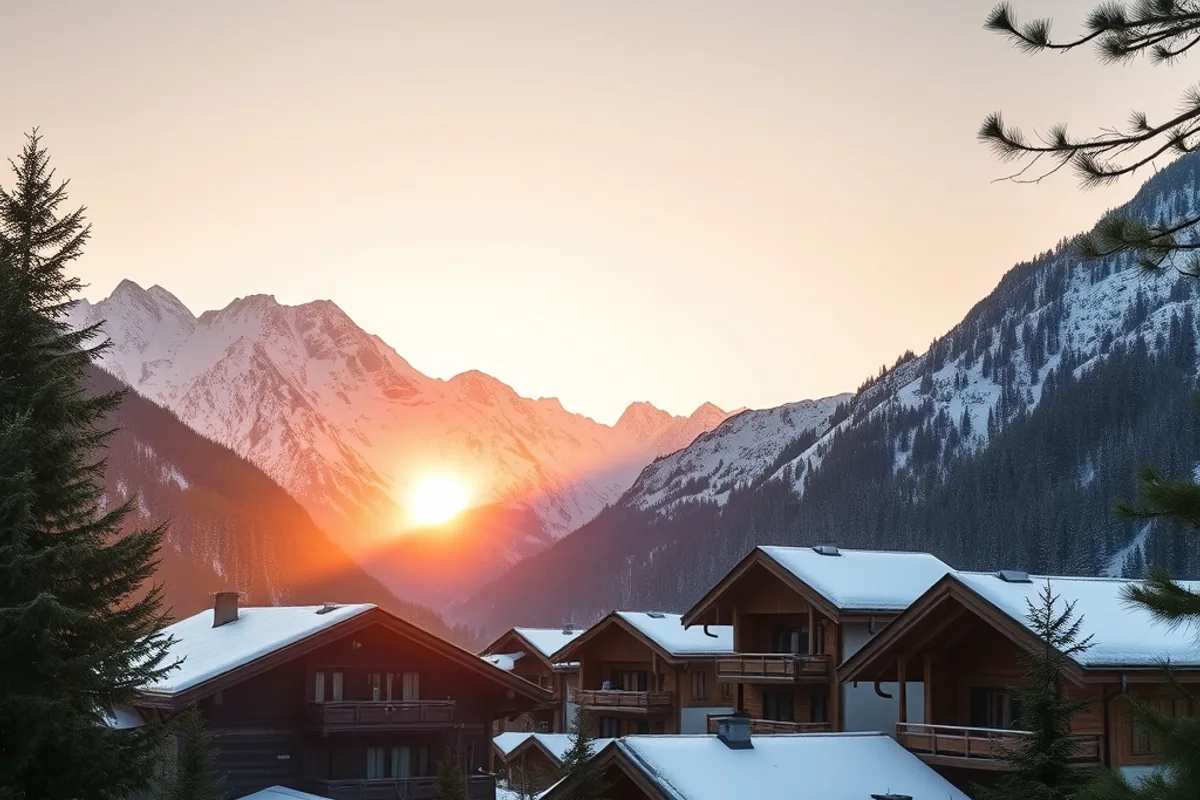
Mountain resorts are seasonal businesses. The same village that is lively in February can be half-closed in May. Choosing well means matching the season, the altitude and the access to the kind of trip you want.
This guide covers how to pick a mountain resort, what altitude changes, and the bookings that should happen before you reserve a room.
Key facts
- Altitude affects sleep, weather and what is open.
- “Ski-in, ski-out” depends on snow conditions, not just the map.
- Shoulder season can mean closed lifts and empty restaurants.
- Book transfers and equipment before the accommodation fills.
Contents
- Pick the season before the resort
- Altitude matters more than you think
- Access and transfers
- Lodge, hotel or chalet
- Beyond the slopes
- What to book first
Pick the season before the resort
Winter means skiing and snowboarding, with peak prices around holidays and school breaks. Summer means hiking, cycling and lake swimming, with wildflowers and long days. Shoulder seasons are cheaper but often come with closed lifts, limited restaurants and unpredictable weather.
Check the opening dates of the lifts and the specific activities you want. A resort that markets year-round may still close its main gondola in October. Local tourism boards publish opening calendars; use them.
Altitude matters more than you think
Resorts above 2,000 metres can affect sleep and breathing, especially on the first night. If you are arriving from sea level, plan an easy first day and drink more water than usual. This is not a reason to avoid high resorts, but it is a reason not to schedule a hard hike for the morning after arrival.
Altitude also affects snow. A low resort can have a great season while a high one is wind-scoured, and vice versa. Check snow depth and recent conditions rather than relying on base elevation alone.
Access and transfers
Mountain roads can be slow, especially in snow. A resort that is 40 kilometres from the airport may take two hours in winter. Check whether the hotel offers a transfer, whether chains are required and what happens if the road closes.
“Ski-in, ski-out” is only true when the snow reaches the door. Ask which lift serves the property and how far you walk in boots. A five-minute walk in ski boots with equipment is a different experience from a doorstep lift.
Lodge, hotel or chalet
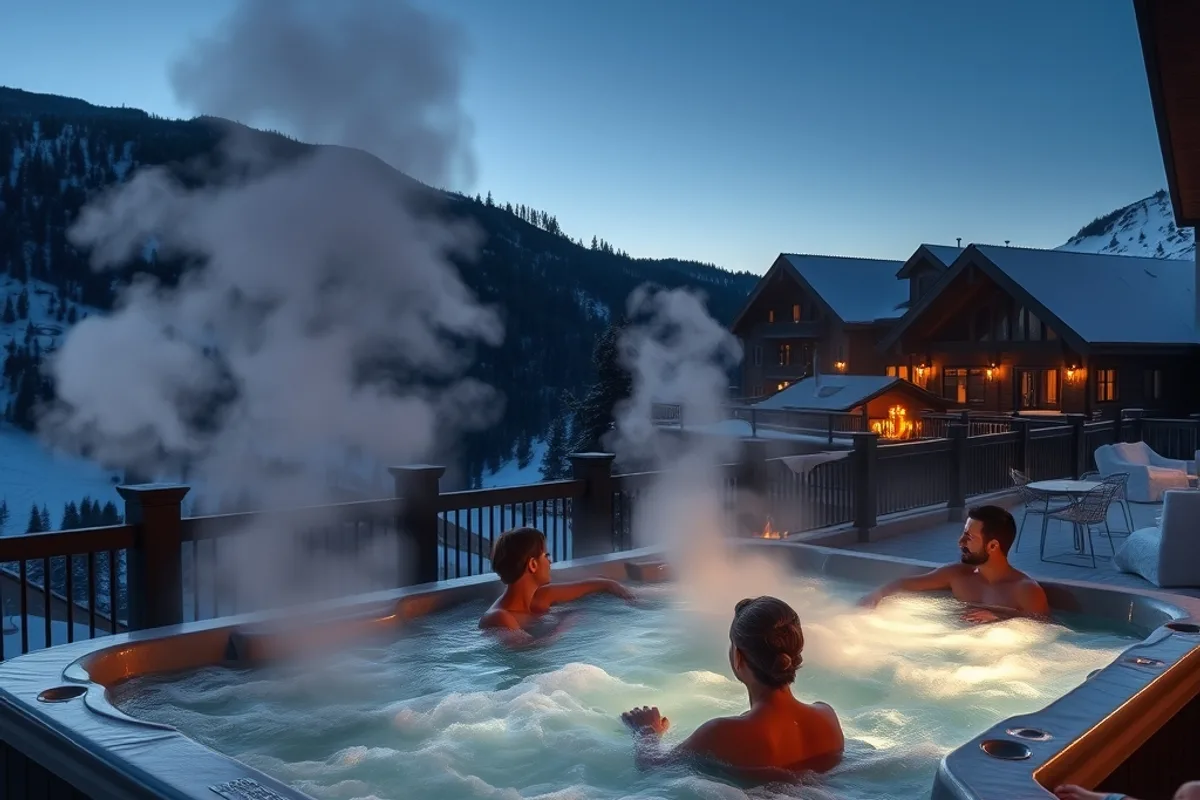
Mountain accommodation ranges from large hotels with spas to family-run guesthouses and self-catered chalets. Hotels are easiest for short trips and non-skiers. Chalets suit groups and longer stays, but someone has to shop and cook.
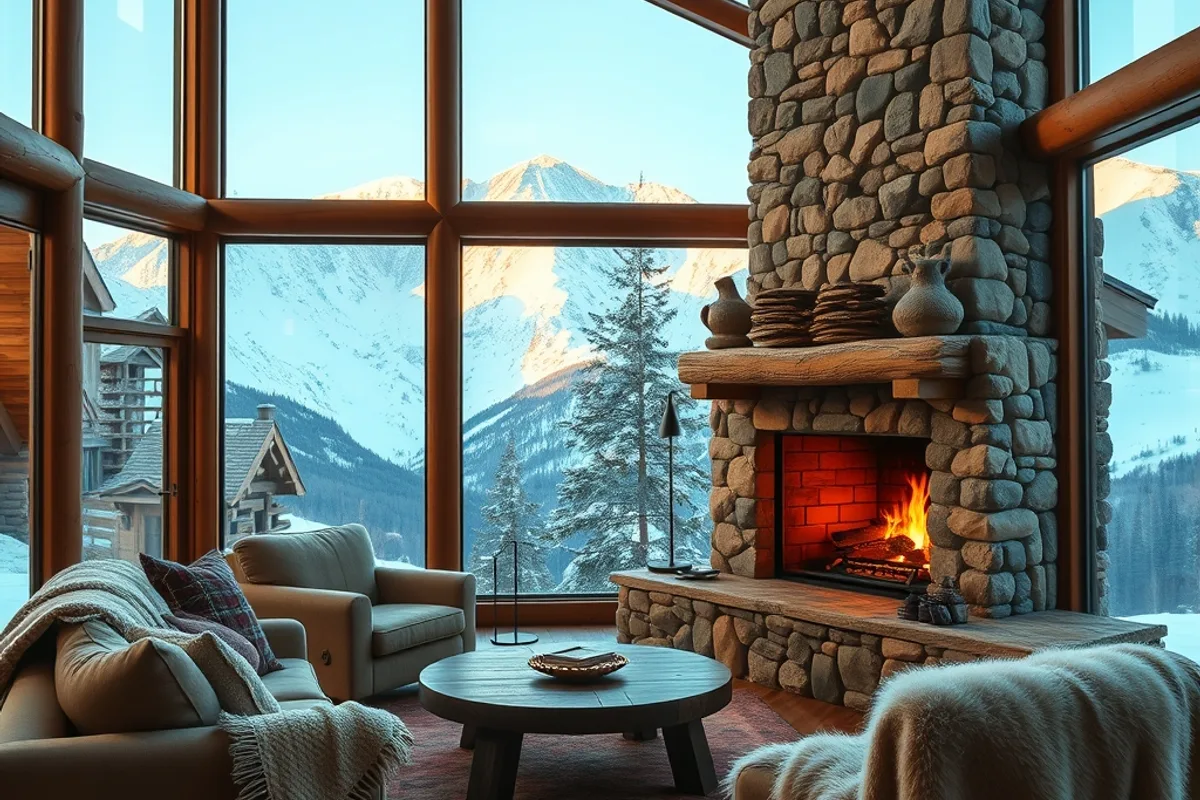
Check what is included: breakfast, dinner, parking, ski storage and a sauna. In winter, a drying room for boots and gloves is worth more than a minibar. In summer, a balcony with a view is worth paying for.
Beyond the slopes
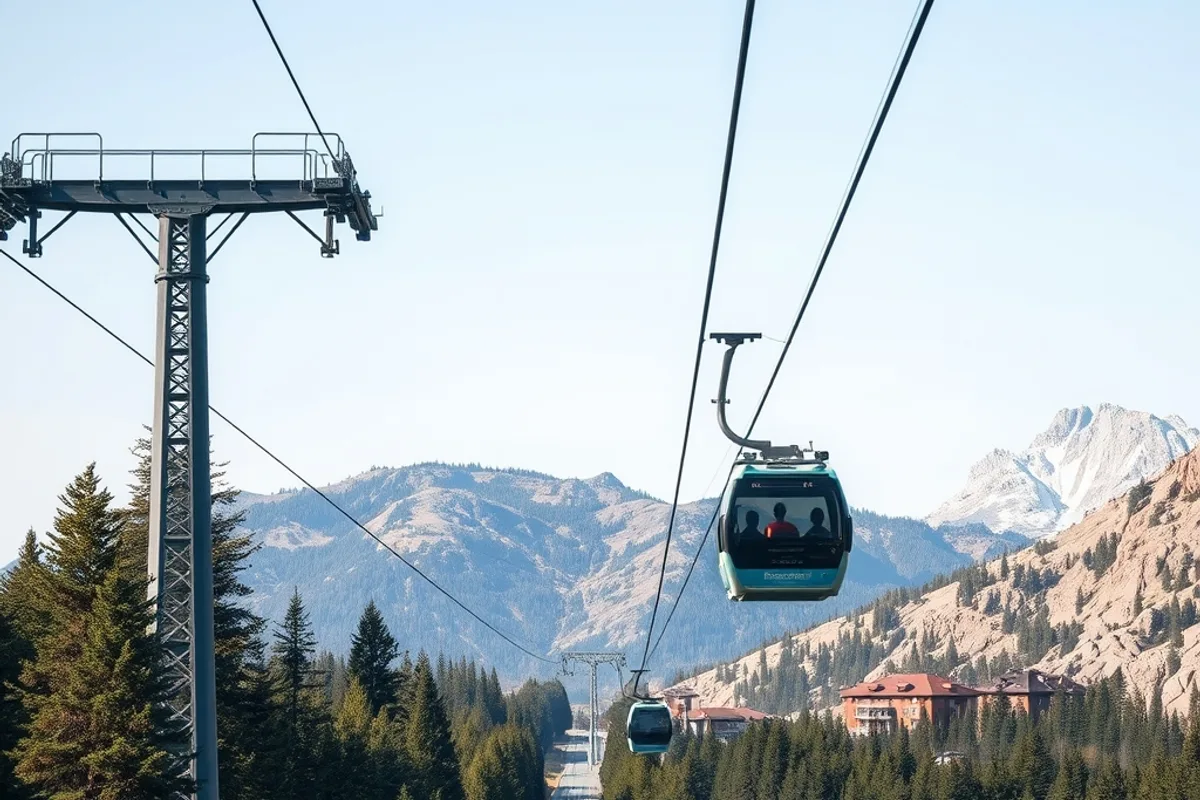
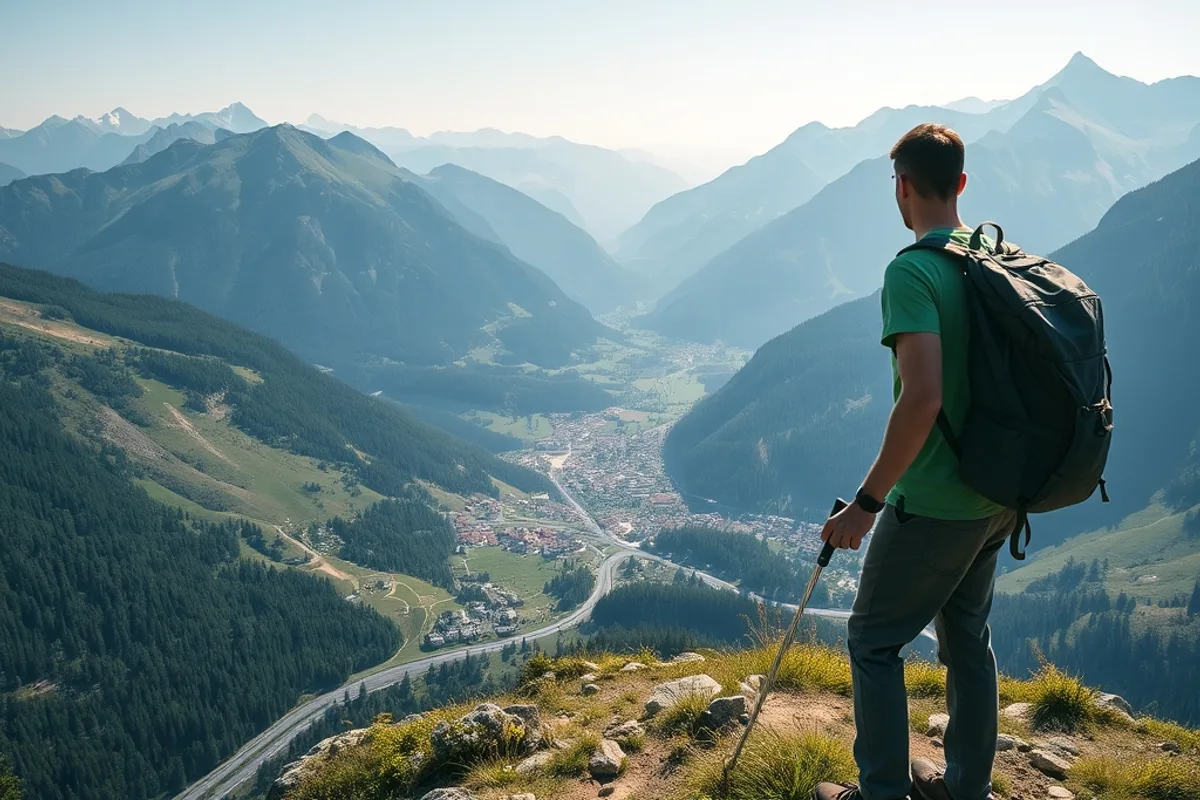
Mountain resorts are not only about skiing. Summer hiking, mountain biking, paragliding, lake swimming and spa days fill a week easily. Winter non-skiers can snowshoe, take cable cars for views or use the pool and spa.
If your group has mixed abilities, choose a resort with options at several levels. A village with one expert run and no easy walks will leave half the group bored. Look for a variety of trails and a real town, not just a lift station.
What to book first
Book the flight and the transfer first, then the accommodation, then ski passes and equipment. Equipment rental in peak weeks sells out, and so do good instructors. If you need a specific apartment or connecting rooms, book those early too.
Buy travel insurance that covers winter sports if you plan to ski, and check whether your policy covers off-piste or sledding. Finally, pack layers. Mountain weather changes quickly, and the difference between a good day and a miserable one is usually clothing.
Choose a mountain resort by season and access first, then by lodge style. Confirm lift dates, transfer reliability and equipment availability before you pay. If you prefer warm water, our island resort guide covers the other direction.